Tasmania Job Opportunities in 2026
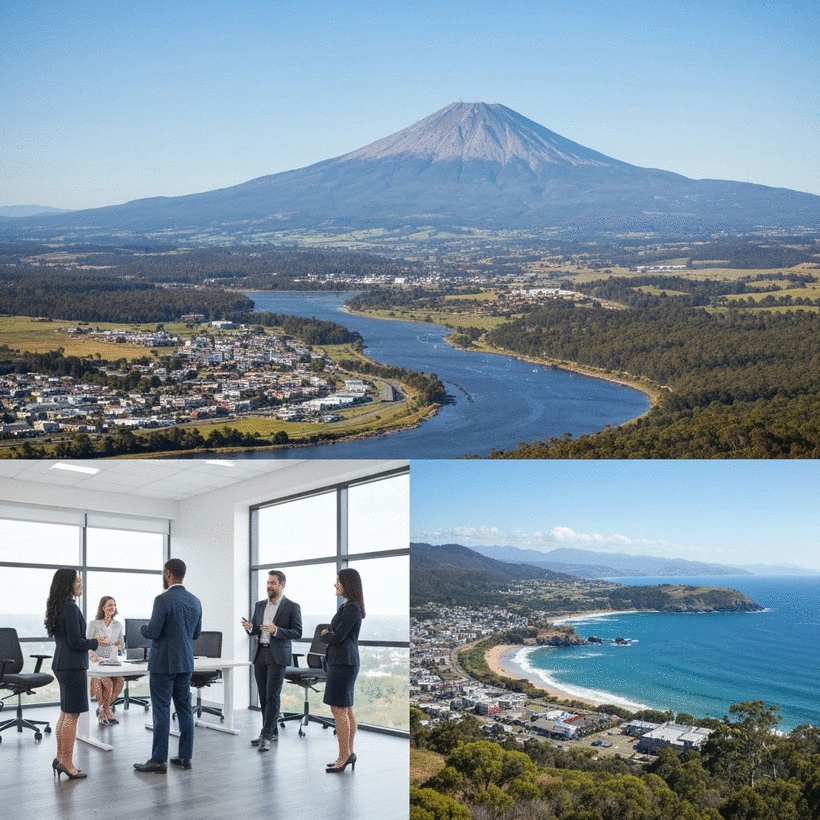
What does a low unemployment rate signify for job seekers and employers in Tasmania? As we look towards the future, understanding the evolving labour market landscape is crucial for anyone interested in career opportunities and growth.
What You Will Learn
- Tasmania boasts a low unemployment rate of just 3.8%, indicating a healthy job market.
- Sectors like FMCG, clean energy, manufacturing, and infrastructure are driving job growth in the region.
- Government initiatives, including training programs and business incentives, are crucial for enhancing job creation.
- Employers must adapt competitive hiring practices to attract and retain talent in a highly sought-after job market.
- Proactive workforce planning is essential for both employers and job seekers to navigate and capitalize on emerging opportunities.
Tasmania's Labour Market: Key Insights for 2026
An overview of the current employment climate, key growth sectors, and the role of government initiatives in shaping Tasmania's job market.
Unemployment Rate
3.8%
Tasmania's Current Rate
Signifies:
- Market ripe with potential
- Need for competitive hiring
📈 Key Growth Sectors
- FMCG (Fast-Moving Consumer Goods)
- Clean Energy
- Manufacturing
- Infrastructure
🏛️ Government Initiatives
- Training & Apprenticeship Programs
- Incentives for Businesses
- Regional Development Projects
Tasmania's Labour Market Landscape for 2026
As a passionate advocate for Tasmania’s vibrant communities, I’m thrilled to share insights into our labour market landscape. With an impressive unemployment rate of just 3.8%, Tasmania stands as a beacon of opportunity for job seekers and employers alike. This low unemployment rate not only reflects a healthy economy but also emphasizes the growing demand for skilled professionals across various sectors. Further insights into the state's economic performance can be found in the Tasmanian Treasury's Labour Force statistics.
This dynamic job market opens doors for those seeking new employment opportunities, whether you're a recent graduate or an experienced worker looking for a change. It also presents challenges for employers who need to attract and retain talent to fuel their growth. Understanding this landscape is crucial for navigating the exciting opportunities ahead!
Understanding the Current Employment Climate in Tasmania
The current employment climate in Tasmania is characterized by a resilient workforce and diverse job opportunities. With the unemployment rate at 3.8%, it’s essential to recognize what this means for all parties involved. For job seekers, it signals a market ripe with potential, while for employers, it highlights the need for competitive hiring practices. The overall stability of the Tasmanian economy is further underscored by the Premier's recent statements on its strong economic performance.
- A vibrant job market attracts fresh talent and encourages innovation.
- Low unemployment rates can lead to skill shortages in certain sectors.
- Employers may need to enhance their benefits to attract and retain staff.
As we continue to observe the trends emerging from this current climate, it’s clear that understanding the nuances of Tasmania’s employment landscape will empower both job seekers and employers to make informed decisions. So, are you ready to dive deeper?
Key Factors Driving Job Growth in Tasmania
Several sectors in Tasmania are on the rise, driving job growth and creating exciting opportunities. Notably, industries such as fast-moving consumer goods (FMCG), clean energy, manufacturing, and infrastructure are experiencing robust hiring. These sectors not only contribute to Tasmania’s economy but also reflect broader national trends impacting local job markets. For a comprehensive overview of labour market trends in Tasmania, refer to the Labour Market Dashboard Tasmania provided by Jobs and Skills Australia.
- FMCG: This sector is booming, with many companies expanding their operations.
- Clean Energy: With a focus on sustainability, jobs in renewable energy are rapidly increasing.
- Manufacturing: Tasmania’s manufacturing industry is evolving with technology, creating new roles.
- Infrastructure: Ongoing projects are generating demand for skilled labor.
By keeping an eye on these key sectors, job seekers can align their skills and aspirations with the opportunities available. It’s an exciting time for Tasmania, and the potential for growth is palpable!
The Impact of Government Initiatives on Job Creation
Government initiatives play a pivotal role in bolstering Tasmania’s economy and enhancing job creation. Various programs have been implemented to support industries, promote regional development, and facilitate workforce training. These initiatives not only aim to stimulate job growth but also enhance the skills of the local workforce.
- Training and Apprenticeship Programs: Focused on bridging skills gaps in key sectors.
- Incentives for Businesses: Encouraging local businesses to hire and invest in their workforce.
- Regional Development Projects: Aimed at improving infrastructure and creating job opportunities.
Understanding the impact of these initiatives can help job seekers leverage available resources and take advantage of emerging opportunities. As Tasmania continues to evolve, these government efforts will be crucial in shaping a thriving job market!
Pro Tip
Did you know? Networking is one of the most effective ways to secure a job in Tasmania’s competitive market. Attend industry-specific events and engage with local professionals online to expand your connections and uncover hidden job opportunities!
Frequently Asked Questions About Tasmania's Job Market
What is the current unemployment rate in Tasmania?
Tasmania currently has a low unemployment rate of 3.8%, indicating a healthy and robust job market for both job seekers and employers.
Which sectors are driving job growth in Tasmania?
Key growth sectors in Tasmania include Fast-Moving Consumer Goods (FMCG), clean energy, manufacturing, and infrastructure.
How do government initiatives impact job creation in Tasmania?
Government initiatives, such as training and apprenticeship programs, incentives for businesses, and regional development projects, play a crucial role in supporting industries, promoting regional growth, and enhancing workforce skills, thereby stimulating job creation.
What does a low unemployment rate mean for job seekers?
For job seekers, a low unemployment rate signifies a market rich with potential opportunities, often leading to more job openings and potentially better employment terms and benefits.
What challenges do employers face in a low unemployment market?
In a low unemployment market, employers often face challenges in attracting and retaining talent. This necessitates adapting competitive hiring practices, offering attractive benefits, and focusing on employee development to stand out.
Conclusion: Preparing for the Job Market in Tasmania 2026
As we look ahead to 2026, it's vital to recognize the evolving job opportunities and sector demands across Tasmania. The low unemployment rate of 3.8% signals positive prospects for job seekers, while employers must adapt to attract the right talent in emerging sectors. From healthcare and technology in Hobart to manufacturing and skilled trades in Launceston, opportunities are abundant!
In summary, both job seekers and employers need to engage in proactive workforce planning. Understanding the local market trends and sector-specific demands will play a crucial role in shaping successful career paths and business growth.
Next Steps for Job Seekers and Employers
As we prepare for the dynamic job market in Tasmania, I encourage you to explore local resources and opportunities. Here are some actionable steps you can take:
- Utilize local job boards: Websites like Tasmania Guide can provide valuable listings that cater to various sectors.
- Consider upskilling programs: Investing in education and training will enhance your employability in this competitive landscape.
- Network actively: Connecting with industry professionals can lead to opportunities you might not find through traditional job searches.
Taking these steps will not only help you stay informed but also adapt to the ever-evolving job market. As someone who has a deep love for Tasmania and its potential, I believe that together we can navigate this landscape successfully!
Exploring Recruitment Agencies and Networking Events
Recruitment agencies play a critical role in bridging the gap between job seekers and employment opportunities. They can provide insights into industry trends and help tailor your job search. Here are some ways to leverage these resources:
- Research reputable agencies: Look for agencies that specialize in your field of interest.
- Attend networking events: Events like job fairs and industry meet-ups are excellent for making connections.
- Engage in online communities: Join local social media groups to stay updated on job postings and networking events.
By actively utilizing these strategies, you can enhance your career development and tap into the rich opportunities Tasmania has to offer. Let’s work together to build a brighter future in Tasmania’s thriving job market!
Recap of Key Points
Here is a quick recap of the important points discussed in the article:
- Tasmania's unemployment rate stands at a low 3.8%, indicating a robust job market with ample opportunities.
- Key sectors driving job growth include Fast-Moving Consumer Goods (FMCG), clean energy, manufacturing, and infrastructure.
- Government initiatives, such as training programs and incentives for businesses, are crucial for enhancing job creation and skill development.
- Job seekers should utilize local job boards, engage in upskilling programs, and actively network to increase their employment prospects.
- Employers must adopt competitive hiring practices to attract and retain talent in a dynamic labor market.