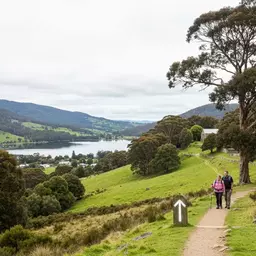
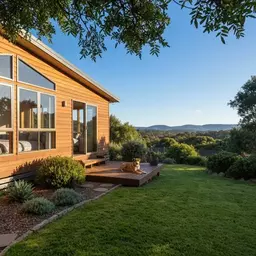
Explore Tasmania's Parks and Trails
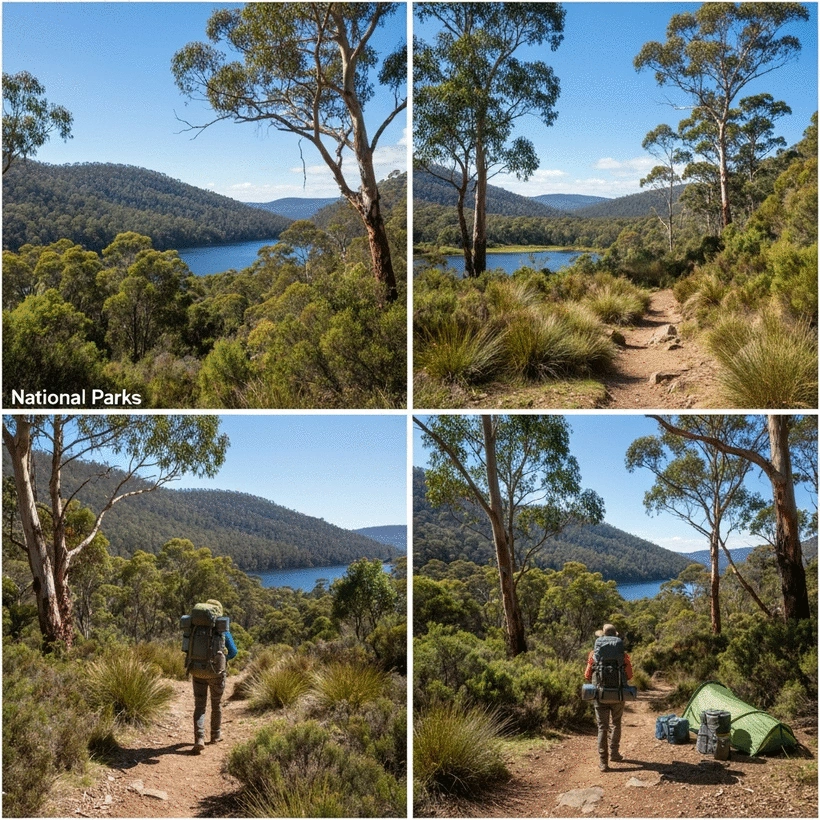
What if you could immerse yourself in breathtaking landscapes while contributing to the preservation of unique ecosystems? Tasmania's national parks offer just that—an adventure that connects you to nature and community. Ready to explore?
What You Will Learn
- Experience unmatched natural beauty across diverse landscapes in Tasmania's national parks.
- Encounter iconic wildlife, including the elusive Tasmanian Devil, in their natural habitats.
- Understand the vital role national parks play in conservation and protecting endangered species.
- Discover the significance of the Tasmanian Wilderness World Heritage Area and its unique ecosystems.
- Learn essential tips for planning your outdoor activities, from packing smart to knowing your trails.
- Engage with the community by sharing your experiences and contributing to sustainable tourism practices.
Tasmania's Natural Wonders: Key Benefits & Conservation Role
Delve into the core reasons why Tasmania's national parks are indispensable, from their stunning beauty to their vital role in preserving unique ecosystems. For those planning a visit, consider our comprehensive Tasmania travel tips and itineraries to make the most of your adventure.
Benefits of Exploring National Parks
- •Unmatched Natural Beauty: Pristine and diverse landscapes.
- •Wildlife Encounters: Spot iconic species like the Tasmanian Devil.
- •Sustainable Tourism: Contribute to conservation efforts.
- •Community Connection: Engage with fellow adventurers.
Conservation Role of National Parks
- •Habitat Protection: For endangered species.
- •Native Plant Life: Conservation of unique flora.
- •Research Opportunities: For environmental studies.
Tasmanian Wilderness World Heritage Area
- •Ancient Trees: Home to Huon Pine.
- •Geological Features: Includes limestone caves.
- •Cultural Heritage: Sites linked to Indigenous history.
Understanding Tasmania's National Parks and Outdoor Activities
When you think of Tasmania, you might picture stunning coastlines, rugged mountains, and lush forests. Tasmania's national parks are a gateway to experiencing this natural beauty firsthand! From hiking through dense woodlands to exploring pristine beaches, the state's parks offer a diverse range of activities for every outdoor enthusiast.
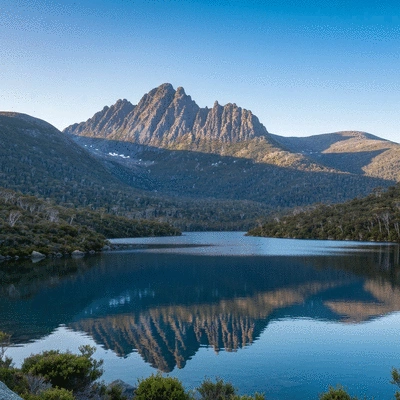
But it’s not just about enjoying the great outdoors; these parks play a critical role in preserving Tasmania’s unique ecosystems. They serve as vital habitats for native wildlife and protect the breathtaking landscapes that make our state so special. Let's dive deeper into what makes Tasmania's natural spaces so unique.
Overview of Tasmania's Natural Beauty
Tasmania is renowned for its spectacular scenery and rich biodiversity. With a mix of mountains, beaches, and forests, the island showcases some of the most breathtaking landscapes in Australia. Whether you're standing on the cliffs of Bay of Fires or wandering through the ancient rainforests of Tarkine, you'll quickly discover that nature here is truly awe-inspiring.
- Stunning coastal views along the East Coast
- Majestic mountain ranges like Cradle Mountain
- Rich biodiversity that includes unique flora and fauna
As a passionate traveler in Tasmania, I’ve experienced these natural wonders firsthand, and I can assure you that each park has its own character and charm. You might even find yourself enchanted by the call of the Tasmanian devil or mesmerized by the serene beauty of a hidden waterfall.
Importance of National Parks in Conservation Efforts
The national parks in Tasmania function as essential sanctuaries for wildlife and ecosystems. They protect diverse habitats that are home to countless species, some of which are found nowhere else on Earth. By preserving these areas, we ensure that future generations can enjoy and learn from Tasmania's natural heritage.
- Habitat protection for endangered species
- Conservation of native plant life
- Research opportunities for environmental studies
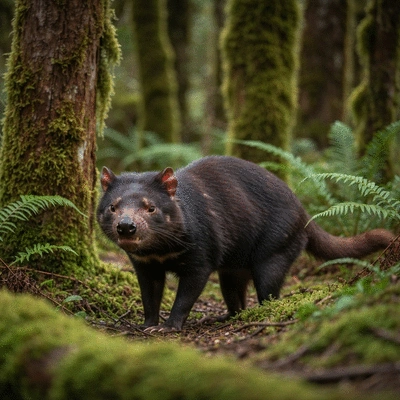
At Tasmania Guide, we believe in promoting sustainable tourism practices. It’s vital to respect these natural spaces during your visit, whether by following park guidelines or participating in local conservation initiatives. Together, we can help maintain the beauty of our landscapes for many years to come! For those looking for places to stay, consider exploring Tasmania accommodation by region to find eco-friendly options.
Highlighting the Tasmanian Wilderness World Heritage Area
The Tasmanian Wilderness World Heritage Area is a jewel in our natural crown. Covering over 1.5 million hectares, this spectacular region is recognized for its outstanding universal value. One of the best ways to appreciate this area is by exploring its diverse ecosystems, which include everything from alpine meadows to temperate rainforests.
- Home to ancient trees such as the Huon Pine
- Significant geological features including limestone caves
- Cultural heritage sites linked to Indigenous history
If you’re visiting Tasmania, you absolutely must explore this UNESCO World Heritage site. From guided walks to self-guided adventures, you’ll gain a deeper understanding of the natural and cultural significance of this stunning landscape.
Pro Tip
When exploring Tasmania's national parks, always carry a reusable water bottle. Not only will you stay hydrated during your adventures, but you'll also help reduce plastic waste in these pristine environments.
Frequently Asked Questions About Tasmania's National Parks
- What makes Tasmania's national parks unique?
- Tasmania's national parks are unique due to their diverse and pristine landscapes, ranging from rugged mountains and ancient rainforests to stunning coastlines. They are also home to unique flora and fauna, including the Tasmanian Devil, and contain significant geological features and Indigenous cultural heritage sites.
- What role do national parks play in conservation?
- National parks in Tasmania are crucial for conservation. They provide vital habitats for endangered species, protect native plant life, and offer valuable opportunities for environmental research. They help preserve biodiversity and maintain natural ecosystems for future generations.
- What is the Tasmanian Wilderness World Heritage Area?
- The Tasmanian Wilderness World Heritage Area is a vast, protected region covering over 1.5 million hectares. It is recognized globally for its outstanding natural and cultural value, featuring ancient trees like the Huon Pine, limestone caves, and historical sites linked to Indigenous heritage.
- What types of activities can I do in Tasmania's national parks?
- Visitors to Tasmania's national parks can enjoy a wide range of activities, including hiking, camping, wildlife spotting (such as the Tasmanian Devil), exploring beaches, and guided walks. There are options for all experience levels, from leisurely strolls to challenging treks.
- How can I contribute to sustainable tourism in Tasmania's national parks?
- You can contribute to sustainable tourism by following park guidelines, respecting wildlife and natural habitats, disposing of waste properly, and choosing eco-friendly accommodations and tour operators. Engaging with local conservation initiatives also helps protect these pristine environments.
Summing Up Your Tasmania Adventure: Key Takeaways
As we wrap up our exploration of Tasmania's breathtaking landscapes, it's clear that venturing into our national parks is more than just an outdoor activity; it's a chance to connect with nature and foster a sense of community. Whether you're hiking the rugged trails of Cradle Mountain or enjoying a quiet moment at Wineglass Bay, every experience contributes to a deeper appreciation of Tasmania's unique environment. Here are some key benefits of exploring our national parks:
- Unmatched Natural Beauty: Experience pristine landscapes that are both diverse and stunning.
- Wildlife Encounters: Spot iconic species, including the elusive Tasmanian Devil, in their natural habitat.
- Sustainable Tourism: Contribute to conservation efforts by choosing eco-friendly practices while enjoying the great outdoors.
- Community Connection: Engage with fellow adventurers and share your unique experiences.
These benefits not only enhance your adventure but also support Tasmania’s environmental conservation efforts, allowing future generations to enjoy the same wonders we cherish today.
Final Thoughts on Planning Your Outdoor Activities
Planning your outdoor activities in Tasmania doesn't have to be overwhelming. With a bit of organization and a sense of adventure, you can create unforgettable memories. Begin by assessing your interests—whether that’s hiking, camping, or simply soaking in the views. I always recommend starting with a clear itinerary that includes key parks and activities you don't want to miss. Consider these essential tips:
- Check Weather Conditions: Tasmania’s weather can change rapidly, so be prepared for all seasons.
- Know Your Trails: Research hiking trails to match your experience level and interests.
- Pack Smart: Ensure you have all the necessary gear—think layers, hydration, and first-aid supplies.
By taking these steps, you’ll not only enhance your safety but also enrich your overall experience in the beautiful Tasmanian outdoors!
Encouragement to Share Your Experiences and Engage
Join the Community: Share Your Photos and Reviews
At Tasmania Guide, we believe that sharing experiences enriches our collective knowledge. I invite you to join our community by sharing your photos, reviews, and stories from your adventures. Your insights can help others discover hidden gems in our national parks! Plus, it’s always fun to relive those memories through your tales and images. Have you spotted a Tasmanian Devil in the wild? Or captured the perfect sunset over Wineglass Bay? Share your stories in the comments!
Sign Up for Updates on Park Alerts and Events
To stay updated on park alerts, events, and seasonal activities, don’t forget to sign up for our newsletter at Tasmania Guide. It’s a great way to stay informed about any changes in park conditions or upcoming events that can enhance your experience. For those looking to make a more permanent move, we also offer Tasmania job opportunities, connecting you with the local community and economy. We’re dedicated to keeping you well-informed so you can enjoy your outdoor adventures to the fullest!
Recap of Key Points
Here is a quick recap of the important points discussed in the article:
- Unmatched Natural Beauty: Experience pristine landscapes that are both diverse and stunning.
- Wildlife Encounters: Spot iconic species, including the elusive Tasmanian Devil, in their natural habitat.
- Sustainable Tourism: Contribute to conservation efforts by choosing eco-friendly practices while enjoying the great outdoors.
- Community Connection: Engage with fellow adventurers and share your unique experiences.
- Planning Tips: Always check weather conditions, know your trails, and pack smart for a safe adventure.